
![Why Is My Crested Gecko’s Mouth White [Danger Signs]](https://reptilesinfo.com/wp-content/uploads/2026/06/Why-Is-My-Crested-Geckos-Mouth-White-Danger-Signs.jpg)
If you recently adopted a crested gecko or noticed changes in your pet’s coloration, you may be wondering why its mouth or lips appear white. This is a common concern among reptile owners, especially those who are new to crested gecko care.
So, why is my crested gecko’s mouth white? In most cases, white lips are completely normal. Many crested geckos naturally have pale or white-colored lips, and this feature often becomes more noticeable when they are fired up, alert, or displaying brighter colors. However, in some situations, unusual white coloration around the mouth may be linked to an underlying health issue that requires attention.
Normal Mouth Color in Crested Geckos
Healthy crested geckos often have naturally white or light-colored lips. This is a normal part of their appearance and is usually nothing to worry about. The contrast between the lips and the rest of the body may become more visible depending on the gecko’s mood, activity level, and overall skin pigmentation.
These changes are a normal part of a crested gecko’s life and often cause temporary differences in color around the face and mouth.
Signs of Possible Oral Health Issues
While white lips are a normal feature in many crested geckos, unusual white spots, patches, or discoloration inside or around the mouth may sometimes point to an underlying health problem. It is important to observe your gecko for other warning signs, including loss of appetite, mouth swelling, oral discharge, lethargy, or unusual behavioral changes. If these symptoms appear alongside abnormal mouth coloration, a consultation with a reptile veterinarian may be necessary to rule out potential mouth infections, oral diseases, or other health concerns.
Understanding Normal Coloration in Crested Geckos
Many crested geckos naturally have white lips or a distinctive white “smile.” This feature is completely normal and is not usually a cause for concern. Understanding what is considered normal crested gecko coloration can help you recognize healthy color variations and identify any potential health issues early.
Natural Color Patterns and Morphs
Crested geckos come in a wide range of morphs, which are unique color and pattern variations developed through selective breeding. Over the years, breeders have enhanced different genetic traits to create visually striking patterns and color combinations.
Some geckos are patternless, displaying a single solid color that can range from light cream and tan shades to dark brown or nearly black. Others are bicolor, while many feature complex markings such as spots, stripes, pinstripes, harlequin patterns, and other distinctive designs. These natural variations make every crested gecko unique in appearance.
Do Crested Geckos Change Color?
Yes, crested geckos can change color, and this is a normal part of their behavior and development. Their skin coloration may shift not only throughout their lifetime but also during different times of the day.
Changes in pigmentation can occur due to factors such as growth, shedding, temperature, humidity, activity levels, and the well-known firing up and firing down process. These color changes are typically harmless and reflect the gecko’s natural ability to adjust its appearance in response to its environment and physical condition.
Natural Color Development in Crested Geckos
As a crested gecko matures, its coloration and patterning often change. It is completely normal for a baby crested gecko or hatchling to look different from its adult form. In fact, many young geckos display colors that gradually transform as they grow and develop.
Most hatchlings are born with shades of orange, red, or other vibrant tones that may become darker, lighter, or more defined over time. These natural changes are influenced by the gecko’s genetics, morph, and overall developmental growth. In most cases, a crested gecko reaches its permanent or near-final adult coloration by the time it is around one year old.
Shedding and Temporary Color Changes
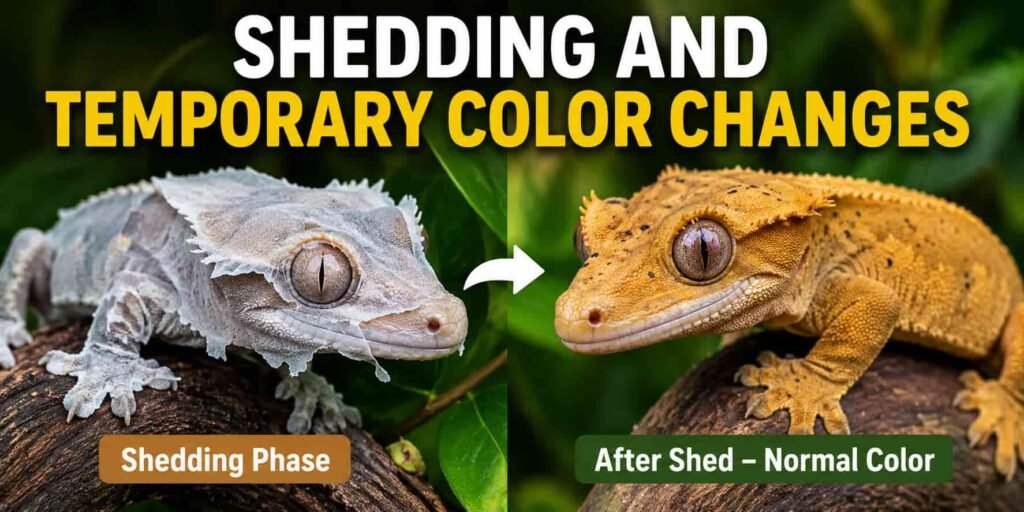
Like all reptiles, crested geckos regularly shed their skin as part of a healthy growth cycle. During this shedding process, noticeable changes in skin color and appearance are common.
A few days before shedding, your gecko may appear pale, dull, or slightly grayish. This change occurs because a new layer of skin is forming beneath the old one. Once the shed is complete, the gecko’s natural pigmentation, vibrant colors, and overall appearance usually return to normal.
Successful shedding is a sign of good reptile health and proper humidity levels. As long as the shed comes off cleanly and there are no signs of stuck shed, these temporary color changes are completely normal and should not be a cause for concern.
Understanding the Firing Up and Firing Down Process
One of the most interesting features of a crested gecko is its ability to change skin coloration throughout the day. This natural process, known as firing up and firing down, is a normal part of crested gecko behavior and should not be mistaken for a health problem.
What Does “Firing Up” Mean?
Firing up occurs when a crested gecko becomes more alert, active, or responsive to its surroundings. During this state, the gecko’s colors become richer, darker, and more vibrant. This natural color enhancement is controlled by changes in the skin’s pigmentation and is often influenced by environmental conditions.
Despite its name, firing up is not a sign of stress or illness. It is a normal reaction that helps the gecko adapt to its environment and communicate with other geckos.
Why Crested Geckos Fire Up
The firing-up process serves several important purposes. It can improve camouflage, help the gecko respond to potential threats, and play a role in social communication. A gecko may also fire up in response to changes in lighting, temperature, humidity, scents, or activity levels within its enclosure.
Not every crested gecko displays this behavior in the same way. Each gecko has its own personality, behavioral patterns, and level of color change. Some individuals fire up frequently, while others show only subtle differences in appearance.
How Color Changes Appear
When a gecko is fully fired up, its natural body coloration becomes more intense. Geckos with yellow, orange, or red pigmentation often display brighter and more vivid shades. Those with darker base colors may develop deep brown, chocolate, or nearly black tones, making their patterns stand out more clearly.
What Happens During Firing Down?
Firing down is the opposite process. When a crested gecko is resting, sleeping, or feeling relaxed, its colors become softer and less intense. During this phase, the gecko may appear lighter, paler, or slightly faded.
Many crested geckos develop shades of tan, gray, light brown, or even a nearly white appearance when fired down. These temporary color changes are completely normal and are a natural part of healthy reptile physiology and crested gecko color variation.
When a White Mouth May Signal a Health Concern
Although white lips are a normal feature in many crested geckos, unusual white areas inside the mouth can sometimes be linked to underlying health issues. One important area to check is the gecko’s calcium sacs, which play a major role in maintaining proper calcium levels and overall reptile health.
Understanding Calcium Sacs
Crested geckos store calcium in specialized calcium sacs located at the back of the throat. In a healthy gecko, these sacs typically appear round, full, and white. Their appearance can provide valuable insight into your pet’s nutritional status and calcium reserves.
If the calcium sacs appear gray, dark, or less visible than usual, it may indicate a calcium deficiency or insufficient dietary calcium. Low calcium levels can negatively affect your gecko’s bone health, growth, and overall well-being.
Why Calcium Is Essential
Adequate calcium intake is one of the most important aspects of crested gecko care. Calcium supports strong bones, healthy muscle function, and normal body processes. It also helps prevent Metabolic Bone Disease (MBD), a serious condition that can cause weakened bones, deformities, and mobility problems.
For female geckos, calcium is especially important during egg production and breeding. Healthy calcium reserves help support successful egg development and reduce the risk of nutritional deficiencies.
Checking Your Gecko’s Calcium Stores
If you want to examine your gecko’s calcium sacs, you will need to gently encourage it to open its mouth. This should always be done carefully to avoid causing stress or injury.
A light touch near both sides of the jaw may encourage the mouth to open briefly. When viewed correctly, healthy calcium sacs should appear as small, rounded white structures near the back of the throat. Because handling and mouth examinations can be stressful, they should only be performed when necessary and with care.
Differences Between Male and Female Geckos
It is normal for male crested geckos to have smaller calcium reserves than females. Female crested geckos naturally maintain larger calcium stores because they require additional calcium for egg development and reproduction.
Calcium Depletion in Breeding Females
Breeding females are at greater risk of experiencing a calcium crash, a condition in which calcium reserves become heavily depleted during egg production. When this happens, the body may use most or all of the stored calcium to support developing eggs.
For this reason, breeders should regularly monitor the calcium status of female geckos and ensure they receive a balanced diet with adequate calcium supplementation.
Preventing Calcium Deficiency
Providing a high-quality crested gecko diet along with appropriate calcium supplements is the best way to maintain healthy calcium levels. Proper supplementation helps prevent Metabolic Bone Disease, supports healthy growth, and promotes long-term reptile wellness.
Maintaining strong calcium reserves is one of the most effective ways to keep your crested gecko healthy, active, and thriving throughout its life.
Oral Infections and White Mouth Symptoms
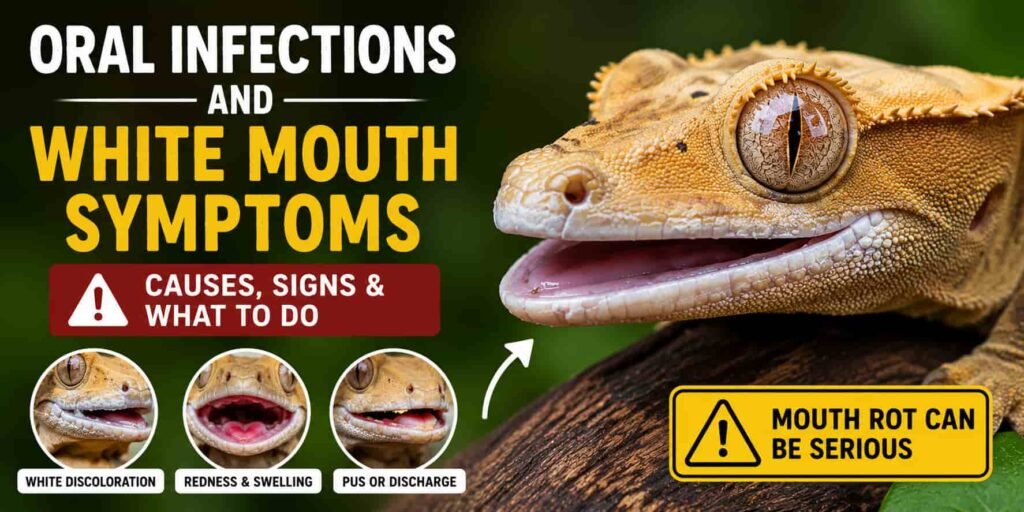
While a white mouth in a crested gecko is often harmless, it can sometimes be a sign of mouth rot, a condition medically known as infectious stomatitis. This common reptile disease affects the tissues inside the mouth and can lead to noticeable changes in your gecko’s oral health.
One of the warning signs of mouth rot is the presence of thick, white, or mucus-like saliva, which may make the inside of the mouth appear unusually white. Other symptoms can include mouth swelling, red or inflamed gums, loss of appetite, excessive saliva production, and difficulty eating.
What Causes Mouth Rot in Crested Geckos?
Infectious stomatitis is most often linked to poor terrarium conditions and inadequate husbandry practices. Factors such as improper temperature, incorrect humidity levels, poor enclosure hygiene, and chronic stress can weaken a gecko’s immune system.
When the immune system becomes compromised, naturally occurring oral bacteria can multiply uncontrollably and cause an infection. Without prompt treatment, the infection may spread and lead to more serious health complications.
Veterinary Treatment and Recovery
If you suspect your gecko has mouth rot, professional veterinary care is essential. This condition cannot usually be treated effectively with home remedies alone and requires evaluation by a qualified reptile veterinarian.
During the examination, the veterinarian will perform a complete physical assessment and inspect the mouth for signs of infection, inflammation, or tissue damage. Once infectious stomatitis is confirmed, treatment may include thorough cleaning of the affected area and a course of antibiotic therapy to eliminate the infection.
Managing Severe Cases
In advanced cases, the infection may damage the soft tissues inside the mouth. If this occurs, the veterinarian may need to remove unhealthy or dead tissue through a surgical procedure to support proper healing and prevent further complications.
Importance of Aftercare
Successful recovery depends heavily on following the veterinarian’s aftercare instructions. This may include regular oral cleaning, administering prescribed medications, maintaining proper enclosure hygiene, and providing optimal temperature and humidity conditions.
With early diagnosis, appropriate treatment, and proper husbandry, most crested geckos can recover successfully from mouth rot and return to normal health. Monitoring your gecko’s mouth regularly and maintaining a clean, stress-free environment are key steps in preventing future oral infections and supporting long-term reptile wellness.
Final Thoughts on White Mouth Coloration in Crested Geckos
In most cases, white lips or a white “smile” are a completely normal feature of a healthy crested gecko. These unique markings are often part of the gecko’s natural coloration and do not indicate a health problem.As crested geckos grow and mature, their skin pigmentation, patterns, and overall appearance may change significantly. Natural color variations can occur during development, throughout the shedding cycle, and during the firing up and firing down process. A fired-up gecko typically displays brighter, more vibrant colors, while a fired-down gecko often appears lighter, duller, or more muted in tone.
FAQs:
How to Tell If a Gecko Has Mouth Rot?
Mouth rot in a gecko can be identified by several warning signs, including loss of appetite, red and inflamed mouth tissue, pus around the mouth or nose, and dead or damaged tissue inside the mouth. Affected reptiles may also appear lethargic, weak, or less active than usual. If you notice any of these mouth rot symptoms, seek help from a reptile veterinarian as soon as possible, since early treatment can prevent the infection from becoming more serious.
How to Tell If a Crested Gecko Is Unhealthy?
An unhealthy crested gecko may show signs such as sudden weight loss, lethargy, sunken eyes, closed eyes during active hours, labored breathing, or a soft, rubbery jaw. These symptoms can indicate underlying health problems, illness, or metabolic bone disease. If you notice any of these warning signs, contact a reptile veterinarian or exotic animal vet as soon as possible for proper diagnosis and treatment.
Why Do Crested Geckos Turn White?
A crested gecko may turn pale or white as part of a normal and healthy process. This color change often happens before shedding, when the skin becomes lighter in preparation for removing old skin. It can also occur when the gecko fires down, a natural response used for relaxation, body temperature regulation, and resting. In some cases, a temporary color change is simply part of the gecko’s growth, development, and natural pigmentation changes.
Can Geckos Hear You?
Yes, geckos can hear you. They have well-developed hearing abilities and can detect both airborne sounds and ground vibrations. Their sensitive auditory system helps them respond to their environment, recognize movement, and stay alert to potential threats or activity around them.
Do Crested Geckos Get Sick Easily?
No, crested geckos are generally hardy reptiles when provided with proper care, nutrition, and habitat conditions. However, they can develop health problems such as intestinal impaction, metabolic bone disease (MBD), parasites, respiratory infections, and egg binding. Maintaining correct husbandry, including proper temperature, humidity, and diet, can help reduce the risk of these common illnesses. If you notice any signs of sickness, consult a reptile veterinarian promptly.


![Why Does My Snake Pee on Me [Owner Guide]](https://reptilesinfo.com/wp-content/uploads/2026/06/Why-Does-My-Snake-Pee-on-Me-Owner-Guide.jpg)
![Are Ball Pythons Active After Eating [Must Know]](https://reptilesinfo.com/wp-content/uploads/2026/06/Are-Ball-Pythons-Active-After-Eating-Must-Know.jpg)
![Why Is My Crested Gecko Going Crazy [Stress Alert]](https://reptilesinfo.com/wp-content/uploads/2026/06/Why-Is-My-Crested-Gecko-Going-Crazy-Stress-Alert.jpg)
![Why Is My Leopard Gecko Not Moving [Stress Alert]](https://reptilesinfo.com/wp-content/uploads/2026/06/Why-Is-My-Leopard-Gecko-Not-Moving-Stress-Alert.jpg)