
![Snake Shedding Change Causes [Care Guide]](https://reptilesinfo.com/wp-content/uploads/2026/05/Snake-Shedding-Change-Causes-Care-Guide-1.jpg)
Once your snake has finished shedding, you can usually feed it right away. There is no fixed waiting time after a complete shed, as long as your snake looks active, calm, and fully finished with the process.
During the shedding process, it is better not to feed your snake. Many snakes feel uncomfortable, stressed, or less interested in food while their old skin is loosening. Their vision may also become cloudy before shedding, which can make feeding more difficult and increase stress.
After snake shedding, offer your snake its normal meal, such as the correct-sized prey item for its species, age, and body size. The prey should not be too large; it should usually be about the same width as the widest part of the snake’s body.
If your snake refuses food after shedding, do not panic. Some snakes need a little more time to feel normal again. Check that the temperature, humidity, enclosure, and hide areas are correct. A proper environment helps your snake complete a healthy shed and return to its regular feeding routine.
Why Is It Better Not to Feed a Snake During Shedding?
It is usually better not to feed your snake while it is shedding because your snake may not feel comfortable and may have poor vision during this time. Before a shed, many snakes enter a stage called “in blue,” where their eyes look milky, blue, or cloudy. This happens because the old eye caps are loosening, which can make it harder for the snake to see and strike food properly.
Some snakes may still eat during the shedding process, but every snake is different. Some become calm and less active, while others may feel stressed, defensive, or simply uninterested in food. If your snake refuses a meal, it is normally not a serious problem because healthy snakes can often go some time without eating.
The most important rule is to avoid offering live prey while your snake is about to shed. Because the snake’s vision is reduced, live prey can bite, scratch, or injure your pet. For safety, it is better to wait until your snake has completed a healthy shed.
After shedding, most snakes are ready to return to their normal feeding routine. However, if your snake still seems nervous, moody, or stressed, give it a little more time before offering food again. In simple words, feeding after shedding is safer, easier, and less stressful for your snake.
Helping Your Snake Shed Properly
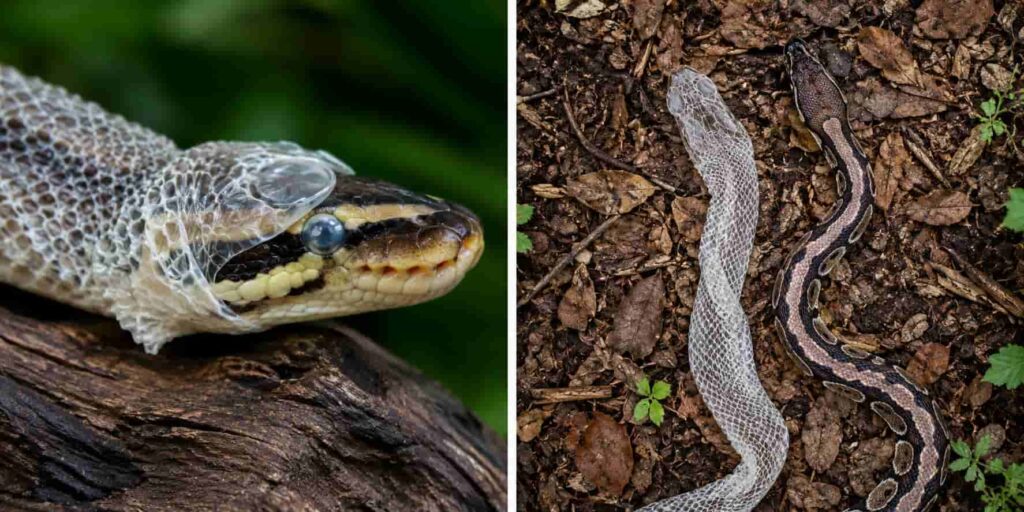
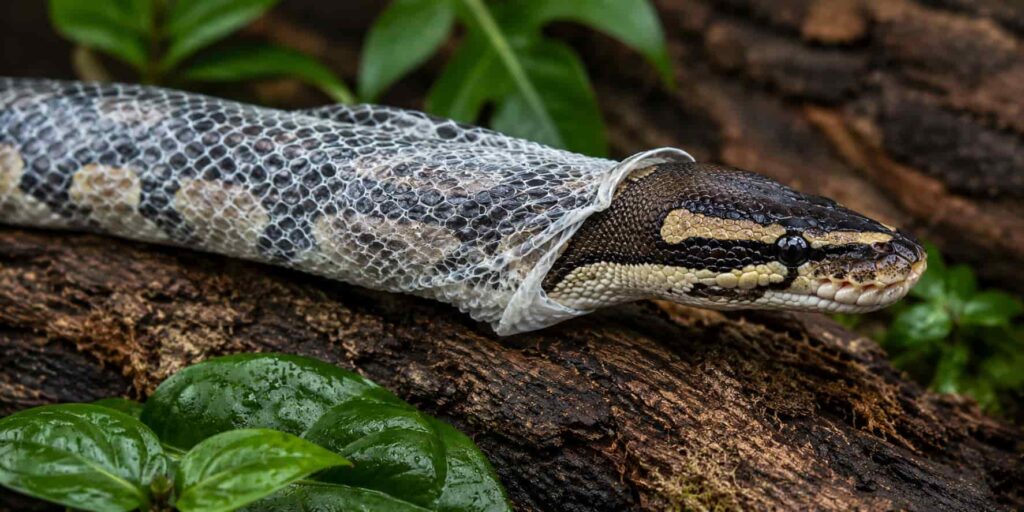
A smooth shedding process helps your snake return to normal feeding more easily. A healthy shed usually comes off in one complete piece, including the eye caps. If pieces of old skin remain stuck on the body, tail, or eyes, it is called an incomplete shed or retained shed. In some cases, the owner or a reptile veterinarian may need to help.
The best way to support your snake is to avoid unnecessary handling before, during, and shortly after shedding. Many snakes feel stressed, uncomfortable, or sensitive during this time, so they should be left alone as much as possible.
After the shed is complete, your snake’s new skin may still be soft and delicate. If you need to handle your snake, do it gently and carefully to avoid causing stress or damaging the fresh skin.
Reduce Stress for a Healthy Shed
Stress can be one reason why a snake has an incomplete shed. It may seem small, but stress can seriously affect your snake’s health, comfort, and shedding process. A calm and safe enclosure helps your snake shed more smoothly and return to normal feeding behavior.
Common signs of stress in snakes include hissing, striking, biting, hiding the head, staying completely still, and losing appetite. If your snake shows these signs, avoid unnecessary handling and check its temperature, humidity, hide box, and overall environment.
Read Also Beardie Food Digestion Explained [Beginner Guide]Create the Right Habitat to Reduce Stress
The best way to prevent stress in your snake is to provide a safe and suitable habitat. Most stress in snakes is caused by poor husbandry, such as a small enclosure, incorrect temperature, low humidity, dirty bedding, or lack of proper hiding places.
Make sure your snake’s cage is the right size, the temperature gradient is correct, and the humidity level stays within the recommended range for its species. You should also clean the enclosure regularly to keep your snake healthy and comfortable.
Provide Safe Hiding Places
Your snake should have at least two hides: one on the warm side and one on the cool side of the enclosure. This allows your snake to feel safe while choosing the temperature it needs.
A snake without proper hide boxes can become stressed quickly. This stress may lead to incomplete shedding, stuck shed, poor appetite, and refusal to eat even after the shedding process is finished.
Keep Humidity at the Right Level
Good humidity is very important for a healthy shed. Most snakes do well with humidity between 50% and 70%, but the exact level depends on the species. During shedding, you can increase the humidity slightly to help the old skin loosen and come off in one piece.
Add a Moist Hide
A moist hide can also help your snake shed properly. You can make one by placing damp sphagnum moss inside a hide box. This gives your snake a humid place to rest and makes the shedding process easier.
Add Safe Cage Accessories
Adding safe enclosure accessories can help your snake during the shedding process. Items like rough rocks, sturdy branches, and textured decorations give your snake something to gently rub against. This can help loosen old skin and support a cleaner, more complete shed.
These accessories also make the habitat more interesting and natural for your snake. However, make sure all items are clean, stable, and not sharp, so they do not injure your snake’s fresh skin after shedding.
Use Soaking Only When Needed
Most snakes do not need a soak to shed properly, especially if the humidity, temperature, and moist hide are correct. However, if your snake has stuck shed or an incomplete shed, soaking may help soften the remaining skin.
Use warm, shallow water in a bathtub or plastic tub. The water should be deep enough to cover your snake’s body but not so deep that it has to swim. Never leave your snake alone during soaking.
A 20 to 30-minute soak is usually enough. You can repeat it if needed, but always handle your snake gently and avoid causing extra stress.
Best Food to Offer After Shedding
After a complete shed, most snakes are ready to eat again and may show a stronger appetite. You can offer the same type of meal your snake normally eats, such as a properly sized mouse or rat, depending on its species, age, and body size.
Choosing the right prey size is very important. A good rule is to offer prey that is no wider than the widest part of your snake’s body. This helps your snake swallow and digest the meal safely without a high risk of regurgitation.
It is also helpful to weigh your snake regularly, especially if it is a juvenile and still growing. Young snakes need correctly sized meals to support healthy growth and development. Adult snakes usually keep a more stable weight, so their feeding needs do not change as often.
If Your Snake Refuses Food, Stay Calm
If your snake refuses to eat, do not panic. In the wild, snakes can naturally go weeks or even months without food. A short break from eating is usually not dangerous, especially if your snake looks healthy and is not losing too much weight.
Read Also Ball Python Baby Chick Diet [Safe or Risky?]Check Weight and Health Signs
The best thing to do is monitor your snake’s body weight. If your snake has not lost more than 10% of its weight, there is usually no serious reason to worry. However, if your snake loses a lot of weight, becomes weak, acts unusual, or shows signs of illness, you should contact a reptile veterinarian.
Offer Food Again Later
In most cases, wait about one week before offering another meal. Continue offering the correct-sized prey item weekly until your snake returns to its normal feeding schedule. When your snake feels hungry and comfortable, it will usually eat again.
Warm the Prey Properly
Make sure the mouse or rat is warmed to around 100°F before feeding. Snakes use heat to detect prey, so if the food is too cold, your snake may not recognize it as food.
Final Thoughts on Feeding After Shedding
After your snake has completed a full shed, it may be ready to eat again. Most snakes can return to their normal feeding schedule right after shedding, but some sensitive snakes may need a day or two to feel calm and comfortable before accepting food.To support a healthy shedding process, reduce stress, avoid unnecessary handling, and make sure the enclosure has the correct temperature, humidity, and clean conditions. A moist hide, safe branches, and slightly rough surfaces can help your snake remove old skin more easily. If your snake has stuck shed or an incomplete shed, a short warm soak may help soften the remaining skin.Once the shed is complete, offer your snake its usual meal, such as a properly sized mouse or rat. The prey item should match your snake’s weight, age, and body size to support safe digestion and reduce the risk of regurgitation.If your snake refuses food, do not panic. Wait about a week, check its body weight, and offer food again. If your snake loses too much weight or shows signs of illness, contact a reptile veterinarian.
FAQs: Snake Shedding Change Causes [Care Guide]
Do snakes change color when they shed?
Yes, snakes can look different in color during shedding. Their skin may appear dull, pale, or cloudy before the old layer comes off. This happens because of the shedding cycle, hormonal changes, and changes in skin pigment. Some snake species show this more clearly than others. Snakes may also slowly change color as they grow older, but that usually happens gradually over time.
What does a sick snake look like?
A sick snake may look weak, tired, or less active than usual. Common signs of a respiratory infection include extra mucus in the mouth, nasal discharge, loss of appetite, wheezing, open-mouth breathing, and unusual gurgling sounds while breathing. If these symptoms appear, the snake should be checked by a reptile veterinarian as soon as possible.
Do sick snakes shed?
Yes, sick snakes can still shed, but the shedding process may be slow, patchy, or incomplete. A sick or stressed snake may have stuck shed, dry skin, or areas where old skin does not come off properly. This can happen because of illness, poor humidity, stress, dehydration, or bad husbandry. If shedding problems continue, it is best to contact a reptile veterinarian.
Is it painful for a snake to shed its skin?
No, shedding is usually not painful for a snake when the skin comes off naturally and the humidity, temperature, and enclosure conditions are correct. However, a snake may feel uncomfortable, stressed, or sensitive during the shedding process. If old skin becomes stuck, especially around the eyes, tail, or body, it can cause problems and may need help from a reptile veterinarian.
What do snakes feel when they shed?
Snakes usually do not feel pain during shedding if the process happens naturally. However, they may feel uncomfortable, sensitive, or stressed because their old skin becomes tight and their vision can become cloudy. They often rub against rough surfaces, branches, or rocks to help remove the old skin. If the shed gets stuck, it can cause irritation and may need proper reptile care. shed their skin. But for the mantis shrimp, molting can feel like trying to peel off a wetsuit while sunburned


![Why Does My Snake Pee on Me [Owner Guide]](https://reptilesinfo.com/wp-content/uploads/2026/06/Why-Does-My-Snake-Pee-on-Me-Owner-Guide.jpg)
![Are Ball Pythons Active After Eating [Must Know]](https://reptilesinfo.com/wp-content/uploads/2026/06/Are-Ball-Pythons-Active-After-Eating-Must-Know.jpg)
![Why Is My Crested Gecko Going Crazy [Stress Alert]](https://reptilesinfo.com/wp-content/uploads/2026/06/Why-Is-My-Crested-Gecko-Going-Crazy-Stress-Alert.jpg)
![Why Is My Leopard Gecko Not Moving [Stress Alert]](https://reptilesinfo.com/wp-content/uploads/2026/06/Why-Is-My-Leopard-Gecko-Not-Moving-Stress-Alert.jpg)
![Why Is My Crested Gecko’s Mouth White [Danger Signs]](https://reptilesinfo.com/wp-content/uploads/2026/06/Why-Is-My-Crested-Geckos-Mouth-White-Danger-Signs.jpg)