
![Ball Python Outside Care [Avoid These Mistakes]](https://reptilesinfo.com/wp-content/uploads/2026/06/Ball-Python-Outside-Care-Avoid-These-Mistakes.jpg)
Many ball python owners wonder if their pet snake would enjoy living outside with more fresh air, natural light, and open space. However, before moving a ball python outdoors, it is important to understand whether the outside environment is truly safe for its health, comfort, and long-term care.
Is It Safe to Keep a Ball Python Outside?
A ball python can only be kept outside if the environment is fully controlled and safe. This means the outdoor setup must provide proper temperature, humidity, secure housing, shade, protection from predators, and a clean, stress-free space. If these conditions are not carefully managed, your snake may become stressed, sick, or exposed to serious health risks.
Important Outdoor Care Factors
Before keeping a ball python outside, you must make sure its enclosure has the right heat levels, safe ventilation, strong escape-proof security, and protection from rain, wind, direct sunlight, and sudden weather changes. Ball pythons are sensitive reptiles, so even small changes in climate, humidity, or temperature control can affect their body function and overall well-being.
Possible Risks of Outdoor Housing
Keeping a ball python outdoors can be risky if the setup is not perfect. Common dangers include overheating, cold stress, dehydration, respiratory infections, parasites, predator attacks, and escape. For most owners, an indoor enclosure is safer because it is easier to manage the snake’s habitat, feeding routine, humidity, and temperature gradient.
Choosing the Right Outdoor Space
Before placing a ball python outside, you should first think carefully about the type of outdoor environment you can provide. An apartment balcony, a small backyard, a garden area, a farm, or a countryside home can all feel different for a snake. However, not every outside space is safe or suitable for proper ball python care.
Understanding Their Natural Habitat
Ball pythons originally come from the grasslands, savannahs, and open woodlands of Central and West Africa. In the wild, they usually stay close to the ground, hide in burrows, move through grassy areas, and sometimes climb low branches or trees. Today, many pet ball pythons are captive-bred, which means they are used to controlled indoor conditions rather than unpredictable outdoor weather.
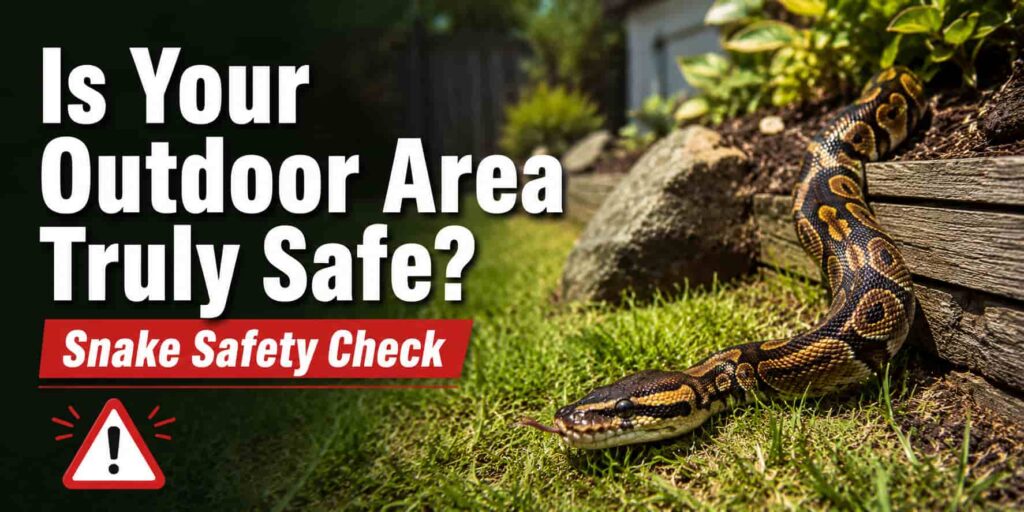
Is Your Outdoor Area Truly Safe?
Your outside space may look calm and natural, but a ball python enclosure must be secure, protected, and carefully managed. The area should be safe from predators, escape risks, direct sunlight, cold wind, rain, and sudden temperature changes. Even if the space seems comfortable, your snake’s health, security, and stress level should always come first.
Outdoor Security for Ball Pythons
If you plan to keep a ball python outside, strong enclosure security is extremely important. Ball pythons are known for being excellent escape artists, so a basic screen lid or loose cover is not safe enough. They can push, slide, or lift weak enclosure tops if there is even a small gap.
Use a Strong, Locked Enclosure
An outdoor ball python enclosure should have a firm lid, tight-fitting doors, and secure locking mechanisms. The enclosure should also be checked regularly for cracks, gaps, loose corners, or weak mesh. A snake may escape through a space that looks too small, so every part of the snake habitat must be escape-proof.
Why Escapes Are Dangerous?
An escaped pet snake can be very hard to find because ball pythons are quiet, shy, and naturally good at hiding. Their colors help them blend into grass, soil, plants, and dark spaces. Escape can also expose the snake to predators, cold weather, injury, dehydration, or disease.
Protecting Local Wildlife
Another serious concern is the risk of escaped non-native snakes entering the local environment. If a pet snake survives outdoors, it may disturb local wildlife, especially in areas where it has no natural predators. This is why preventing escape is much safer than trying to solve the problem later.
Safe Housing Setup for a Ball Python
A ball python needs a safe, clean, and properly sized enclosure to stay healthy and comfortable. Adult ball pythons usually need a larger snake tank or reptile enclosure, while younger snakes do better in a smaller space that helps them feel secure. The enclosure should be free from sharp objects, rough edges, or anything that could injure the snake’s skin or body.
Read Also Why Is My Bearded Dragon Smacking His Lips? [Vet Tips] Hiding Spots and Comfort
Hide boxes are very important for a pet ball python because they help the snake feel safe, calm, and protected. It is best to provide at least two hides: one on the warm side and one on the cool side of the temperature gradient. This allows the snake to move between areas and control its body temperature naturally. A hide can be simple, like a cardboard box with openings, or stronger, like a ceramic or resin hide from a pet store.
Safe Bedding for the Enclosure
Choosing the right substrate is also important. Avoid sand, cedar shavings, and pine shavings, as these can cause respiratory problems or health issues if swallowed. Safer options include paper towels, newspaper, or reptile carpet, especially for easy cleaning and better snake hygiene.
Fresh Water and Humidity
Your ball python should always have access to clean, fresh, and chlorine-free water. The water bowl should be large enough for the snake to soak in if needed. A proper water bowl also helps support the right humidity level inside the enclosure, which is important for healthy skin and proper shedding.
Outdoor Housing Considerations
If you are thinking about keeping your ball python outside, these housing needs must still be fully met. The outdoor enclosure must be secure, clean, shaded, weather-protected, and easy to monitor. However, the most important factor is temperature control, because ball pythons need stable heat to survive, digest food, and stay healthy.
Proper Temperature for Ball Pythons
Ball pythons are cold-blooded reptiles, which means they depend on their environment to control their body temperature. Because of this, outdoor temperatures can strongly affect their health, digestion, shedding, and overall comfort.
Warm Side and Cool Side
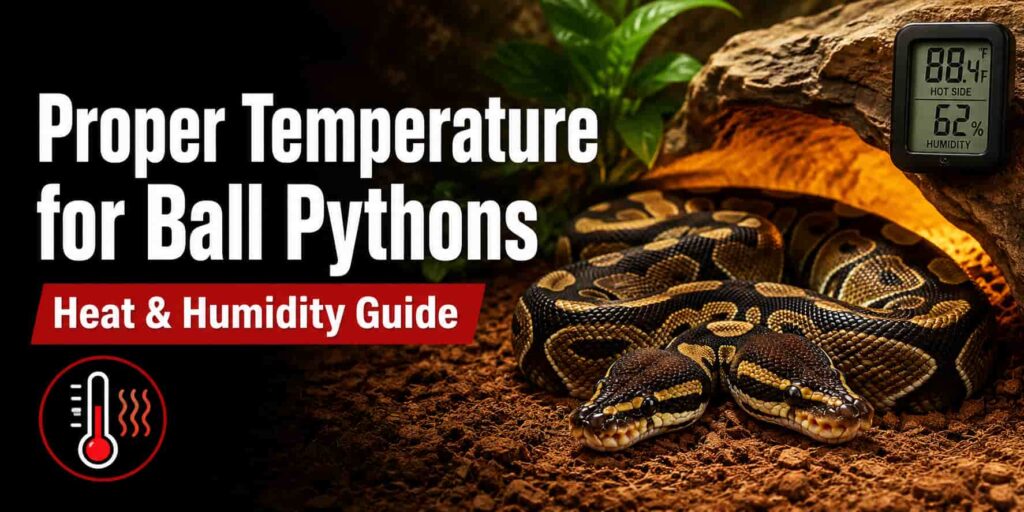
Inside the ball python enclosure, there should be a clear temperature gradient. The warm side should stay around 90–95°F / 32–35°C, while the cool side should not fall below 80°F / 27°C. At night, the enclosure temperature should not drop below 75°F / 24°C. This helps the snake move between warm and cool areas whenever it needs to thermoregulate.
Heating Tools and Monitoring
To maintain the right reptile temperature range, owners can use safe heating equipment such as reptile heat mats, ceramic heat emitters, or suitable heat lamps. A reliable reptile thermometer and hygrometer are also essential. These tools help monitor both temperature and humidity, which are important for healthy skin, shedding, and respiratory health.
Why Outdoor Temperature Can Be Risky
Temperature is one of the biggest concerns when keeping a ball python outside. If your area becomes cold at night, has sudden weather changes, or does not stay warm throughout the day, outdoor housing may not be safe. Unless you live in a consistently warm climate, it can be difficult to keep your snake’s habitat stable enough outdoors.
Health Problems from Poor Temperature Control
If the enclosure becomes too cold or too hot, a pet ball python may suffer from stress, poor digestion, weak immunity, respiratory infections, shedding problems, or other serious health issues. This is why stable heat control, proper housing, and a safe environment are necessary for long-term ball python care.
Common Health Risks in Ball Pythons
Ball pythons are usually calm, shy, and secretive reptiles. They get their name from their natural habit of curling into a tight ball when they feel scared, unsafe, or threatened. Because they are sensitive animals, poor care, sudden changes, or an uncomfortable habitat can easily cause stress-related health problems. One common issue is loss of appetite, also called anorexia, where the snake refuses to eat when it feels stressed or unsafe.
A healthy ball python is usually alert, active at normal times, eats regularly, sheds its skin in one complete piece, has clear eyes, smooth healthy skin, and passes normal waste. These signs show that the snake is comfortable and its basic needs are being met.
However, some changes can be warning signs. If your snake has irregular shedding, vomiting, breathing problems, rough or spotted skin, unusual feces, weakness, lethargy, or a long-term lack of appetite, it may be dealing with a health issue. These symptoms should not be ignored and may need proper care or advice from a reptile veterinarian.
Read Also Why Is My Turtle Looking at Me? [Hidden Reason]Breathing Problems in Ball Pythons
A ball python can develop a respiratory infection if its enclosure is too cold, too damp, or poorly maintained. Common signs include labored breathing, wheezing, mucus around the nostrils, bubbles near the mouth, open-mouth breathing, and unusual tiredness. These symptoms should be taken seriously because breathing infections can become dangerous if they are not treated early.
If you notice these signs, take your snake to a reptile veterinarian. The vet may prescribe antibiotics or other treatment, depending on the infection. You should also check the temperature, humidity, and cleanliness of the snake’s habitat. Keeping the enclosure warm, dry where needed, and properly balanced can help your python recover and prevent the problem from coming back.
Stuck Shed and Skin Problems
Shedding problems often happen when the humidity level inside the enclosure is too low. This can cause pieces of old skin to stay stuck on the snake’s body, especially around the tail, eyes, or head. This condition is called stuck shed or retained shed.
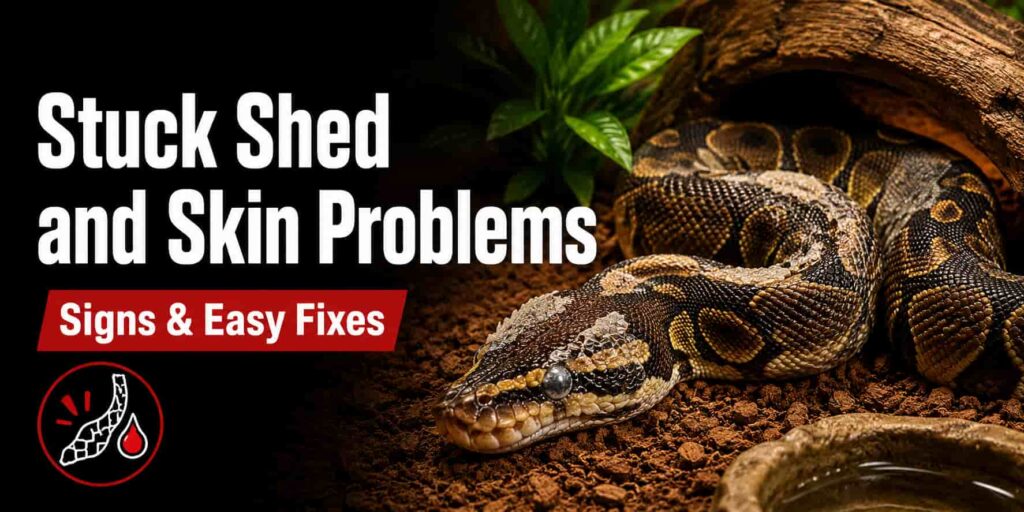
A simple way to help is to place the snake in a shallow bowl of lukewarm water for about 20 to 30 minutes. After soaking, you may gently help remove loose skin, but never pull hard. If an eye cap or tight ring of old skin remains stuck, get help from a reptile vet or an experienced breeder. Stuck skin can reduce blood flow and may lead to injury if ignored.
Key terms: ball python care, respiratory infection, mucus, labored breathing, humidity, temperature, enclosure setup, stuck shed, retained eye cap, healthy shedding, reptile veterinarian.
Food Coming Back Up in Ball Pythons
Regurgitation means a ball python brings its food back up after eating. This can happen when the enclosure temperature is too low, because snakes need proper heat to digest food. If the snake is too cold, its body may not break down the meal correctly.
If your ball python regurgitates, do not feed it again right away. Wait at least one week so its body can rest. After that, offer a smaller prey item for the next few feedings. Keep meals smaller for about a month before slowly returning to the normal feeding size. If regurgitation happens more than once, take your snake to a reptile veterinarian, because repeated vomiting can lead to dehydration, weakness, and serious health problems.
Skin Infection and Scale Rot
Dermatitis or scale rot is a skin problem that can cause redness, rash, blisters, soft scales, or damaged skin. It often happens when the snake’s habitat is dirty, too cold, or too humid for too long. A wet and unclean substrate can allow bacteria to grow and infect the snake’s skin.
If you notice signs of scale rot, move the python to a clean, warm, and dry setup. Use paper towels as a temporary substrate because they are easy to replace and help you monitor the skin. Clean the enclosure often and make sure the temperature and humidity levels are correct. A reptile vet may prescribe antibiotics or other treatment if the infection is serious.
Key terms: ball python health, regurgitation, digestion problems, low temperature, feeding schedule, smaller prey, dehydration, dermatitis, scale rot, skin infection, blisters, clean enclosure, humidity control, paper towel substrate, reptile veterinarian.
Parasites in Ball Pythons: Ticks and Mites
Ball pythons can sometimes carry external parasites, especially ticks and mites. This risk is higher when you bring a new reptile into your home, so it is important to check the snake carefully before placing it near other animals.
One common sign of mites is a snake soaking in its water bowl for a long time. You may also notice tiny black specks floating in the water or moving around the snake’s eyes, mouth, or scales. These pests can irritate the skin, cause stress, and may affect your snake’s overall health if not treated quickly.
If you find ticks or mites, clean and disinfect the enclosure properly. Remove and replace the substrate, wash the water bowl, and use a safe anti-mite treatment made for reptiles. Continue treatment until the parasites are completely gone. If the infestation is heavy or your snake looks weak, contact a reptile veterinarian.
Read Also Why Is My Ball Python Trying to Escape? [Fix It Fast]Final Advice: Can a Ball Python Live Outside?
Before keeping a ball python outside, think carefully about its safety and care needs. These snakes need a secure habitat, stable temperature, correct humidity, clean housing, and protection from predators, pests, direct sunlight, rain, and sudden weather changes.If you cannot keep the outdoor setup within the proper ball python temperature range, it is safer to keep your snake indoors. A controlled indoor enclosure is usually the best option because it helps protect your python from stress, illness, escape, and environmental danger.
FAQs: Ball Python Outside Care [Avoid These Mistakes]
What smells do ball pythons hate?
Ball pythons may dislike strong smells such as garlic, onion, cinnamon, clove, and some essential oils because these odors can irritate their sensitive chemical receptors. However, you should never place strong oils or spices inside a ball python’s enclosure, as they may cause stress, breathing irritation, or health problems. These smells are sometimes used carefully around gardens, entry points, or outdoor areas, but they must be kept away from the snake’s living space.
How often will a snake poop?
A snake’s pooping schedule depends on its feeding frequency, meal size, age, species, and digestion speed. Most ball pythons usually poop about one week after eating, but a larger meal can take longer to digest. Snakes only pass waste after the food has fully moved through their digestive system, so less frequent feeding often means less frequent defecation.
Are ball python bites painful?
Yes, ball python bites can be painful, but they are usually not dangerous because ball pythons are non-venomous snakes. When they feel threatened, scared, or stressed, they usually try to hide, retreat, or curl into a defensive ball before biting. If a bite happens, it may feel like a sharp pinch and can cause small puncture marks, mild bleeding, or skin irritation. Clean the bite area properly to prevent infection.
Do ball pythons sense heat?
Yes, ball pythons can sense heat very well. They have special heat-sensing pits on their face that detect infrared radiation from warm bodies. This helps them find prey, notice possible predators, and understand their surroundings, even in low light. These pit organs work like a natural thermal sensor, helping the snake create a basic heat image of nearby animals.
Does ball python poop smell bad?
Yes, ball python poop can smell bad. This is mainly because ball pythons eat a high-protein diet, usually rodents, which can make their feces stronger in odor than animals that eat plants. The smell may become worse if there is more waste, poor enclosure hygiene, dirty substrate, or leftover urates. Regular cleaning helps control the bad smell and keeps the snake’s habitat healthy.


![Why Does My Snake Pee on Me [Owner Guide]](https://reptilesinfo.com/wp-content/uploads/2026/06/Why-Does-My-Snake-Pee-on-Me-Owner-Guide.jpg)
![Are Ball Pythons Active After Eating [Must Know]](https://reptilesinfo.com/wp-content/uploads/2026/06/Are-Ball-Pythons-Active-After-Eating-Must-Know.jpg)
![Why Is My Crested Gecko Going Crazy [Stress Alert]](https://reptilesinfo.com/wp-content/uploads/2026/06/Why-Is-My-Crested-Gecko-Going-Crazy-Stress-Alert.jpg)
![Why Is My Leopard Gecko Not Moving [Stress Alert]](https://reptilesinfo.com/wp-content/uploads/2026/06/Why-Is-My-Leopard-Gecko-Not-Moving-Stress-Alert.jpg)
![Why Is My Crested Gecko’s Mouth White [Danger Signs]](https://reptilesinfo.com/wp-content/uploads/2026/06/Why-Is-My-Crested-Geckos-Mouth-White-Danger-Signs.jpg)