
![Why Is My Crested Gecko Moving in Slow Motion? [Owner’s Guide]](https://reptilesinfo.com/wp-content/uploads/2026/06/Why-Is-My-Crested-Gecko-Moving-in-Slow-Motion-Owners-Guide.jpg)
A healthy crested gecko is usually active, alert, and curious. Since crested geckos are naturally crepuscular and nocturnal reptiles, they are most active during the evening, nighttime, and early morning hours. Because of this natural behavior, it is completely normal for a crestie to spend much of the daytime resting or hiding.
However, every gecko has its own personality and activity level. If your pet suddenly becomes unusually slow, weak, or inactive compared to its normal behavior, it may be a sign of an underlying issue that requires attention.
What Causes a Crested Gecko to Move in Slow Motion?
If you are wondering, “Why is my crested gecko moving in slow motion?”, the answer can range from mild stress to more serious health problems, including metabolic bone disease (MBD).
To identify the cause, it is important to evaluate your gecko’s daily routine, habitat conditions, diet, temperature, humidity levels, and overall behavioral patterns. Looking at these factors together can help determine whether the slowdown is temporary or related to a medical condition.
Stress and Behavioral Changes
For new reptile owners, it is important to understand the difference between a sleeping gecko and a lethargic crested gecko.
A normal crested gecko may spend most of the day sleeping, resting, or hiding in foliage. This behavior is expected because they are naturally active at night.
A lethargic gecko, however, appears unusually weak and lacks energy. It may show little interest in climbing, exploring, eating, or responding to movement and other stimuli. When a gecko becomes excessively sluggish or inactive outside of its normal routine, stress, environmental problems, or an underlying illness may be responsible.
Monitoring your gecko’s activity level, appetite, body condition, and overall health can help you determine whether the behavior is normal or a sign that veterinary care may be needed.
Adjusting to a New Environment
When you first bring a crested gecko home, it may take several days or even a few weeks for it to fully adapt to its new surroundings. During this acclimation period, some geckos may behave differently than expected. In fact, a newly arrived crestie can sometimes appear more active, restless, or nervous before eventually settling into a normal routine.
Many first-time owners worry that their new pet is sick or unhealthy when they notice unusual behavior. In most cases, however, the gecko is simply experiencing relocation stress and needs time to become comfortable in its new habitat.
Helping Your Crested Gecko Settle In
To reduce stress and encourage a smooth transition, allow your crested gecko to settle into its enclosure with minimal disturbance for the first few days. Ideally, the terrarium should be fully prepared before your gecko arrives, including fresh food, clean water, proper heating, and suitable lighting if needed.
During this adjustment period, monitor your gecko’s feeding habits, water intake, and bowel movements. Keep in mind that some crested geckos may refuse food for a week or longer while adapting to a new environment. This temporary loss of appetite is often normal as long as the gecko remains otherwise healthy.
Safe Handling Practices
Once your gecko appears comfortable and begins following a regular routine, you can introduce short handling sessions. Moving too quickly or handling your pet roughly can increase fear, anxiety, and overall stress levels.
Gentle handling is especially important because excessive stress can cause a crested gecko to drop its tail, a process known as tail loss. Unlike some other reptiles, a crested gecko’s tail does not grow back after it is lost.
When beginning socialization, keep handling sessions brief, lasting only a few minutes at a time. A good first step is placing your hand inside the enclosure so your gecko can become familiar with your scent and presence before being picked up.
When Slow Movement May Indicate a Problem
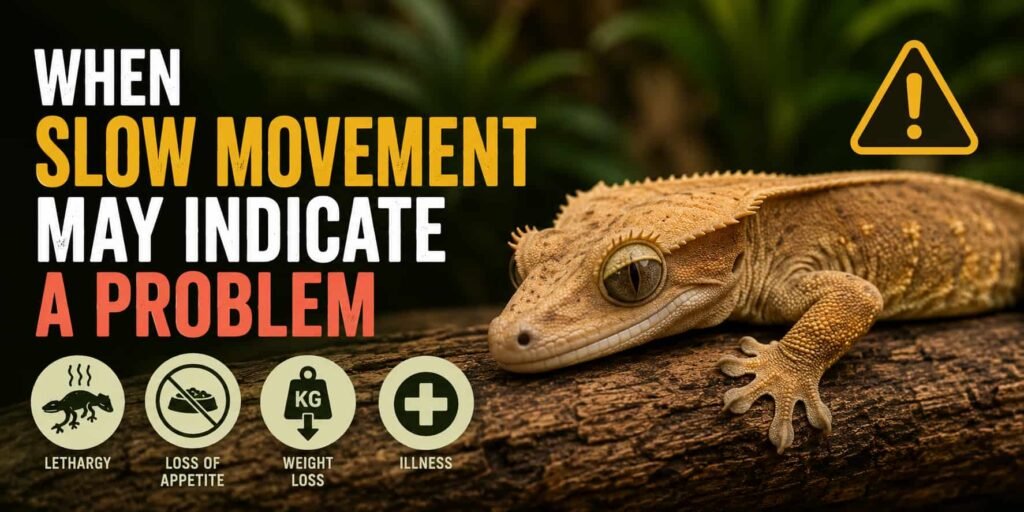
If your crestie has lived with you for a long time and suddenly becomes noticeably slower than usual, the cause may be more than simple adjustment stress. Common factors include environmental stressors, improper temperature, low humidity, dehydration, shedding issues, or other underlying health conditions.
Monitoring changes in activity level, appetite, behavior, and overall health can help you determine whether your gecko is experiencing temporary discomfort or may require further evaluation and care.
Habitat Conditions That Can Slow Down a Crested Gecko
Crested geckos are popular pets because their care requirements are relatively simple. A healthy adult gecko typically needs a properly sized enclosure, suitable substrate, secure hiding spots, and climbing structures that encourage natural behavior. However, even small changes in their environment can create stress, leading to unusual behavior, reduced activity, and potential health problems if left uncorrected.
When a crested gecko starts moving slowly or acting differently, one of the first things to evaluate is its habitat setup.
Read Also: How Often Should Crested Geckos Poop? [Healthy Schedule]Proper Temperature Management
One of the most common environmental stressors for crested geckos is excessive heat. This species is highly sensitive to high temperatures, and prolonged overheating can lead to severe stress, dehydration, and even death.
A healthy temperature gradient allows your gecko to regulate its body temperature naturally. The warmest area of the enclosure should not exceed 83°F (28°C), while cooler, shaded areas should remain in the mid-70s°F. Using a reliable digital thermometer helps ensure that temperatures remain within a safe range.
If supplemental heating is necessary, place the heat source on only one side of the enclosure. This creates both warm and cool zones, allowing your crestie to move freely and choose the most comfortable temperature throughout the day and night.
Maintaining Healthy Humidity Levels
Proper humidity is equally important for the overall health, hydration, and well-being of a crested gecko. The ideal humidity range is generally between 55% and 80%.
A quality hygrometer can help you accurately monitor moisture levels inside the enclosure. Regular misting, especially during the morning and evening, helps maintain adequate humidity while providing water droplets for drinking.
Consistent humidity supports proper hydration, healthy skin condition, and successful shedding cycles. When humidity levels are too low, geckos may experience dehydration, stuck shed, reduced activity, and other health-related issues that can make them appear sluggish or lethargic.
By maintaining the correct temperature, humidity, and overall enclosure conditions, you can significantly reduce stress and help your crested gecko remain active, healthy, and comfortable.
Creating the Right Light Cycle
Proper lighting conditions play an important role in maintaining a healthy and active crested gecko. In most cases, normal ambient daylight is sufficient, and these reptiles generally do not require intense lighting.
Because crested geckos are naturally nocturnal and crepuscular, excessive brightness can cause unnecessary stress. Bright lights may encourage your crestie to hide more often during the day, making it appear less active than usual. In some cases, constant exposure to strong lighting can disrupt the gecko’s natural sleep cycle and circadian rhythm, leading to unusual activity patterns.
A balanced day-and-night schedule helps support normal behavior, healthy rest, and consistent activity levels.
Nutrition and Hydration Requirements
Proper nutrition and hydration are essential for maintaining your crested gecko’s health, energy levels, and overall well-being.
Your gecko should always have access to fresh, clean, and preferably dechlorinated water in a shallow water dish. A lack of water can quickly lead to dehydration, which often causes lethargy, weakness, and reduced activity.
For optimal health, provide a high-quality crested gecko diet along with appropriately sized feeder insects. Insects should be dusted with calcium powder to support healthy bone development and prevent nutritional deficiencies.
Offer fresh food each evening and remove uneaten portions the following day. Feeder insects can typically be provided one to three times per week as part of a balanced feeding routine.
Poor dietary management, inadequate calcium supplementation, or nutritional deficiencies may result in sluggish behavior, poor growth, weakened bones, and serious conditions such as metabolic bone disease (MBD).
Read Also: Why Is My Crested Gecko’s Mouth White? [Danger Signs]Maintaining a Clean and Safe Substrate
The choice and maintenance of substrate can significantly affect your gecko’s health. Many crested geckos enjoy exploring, hiding, and resting among leaves, moss, or other natural enclosure materials that mimic their native environment.
However, dirty or poorly maintained substrate can become a breeding ground for bacteria, fungi, and other harmful microorganisms. If not replaced regularly, these contaminants may contribute to various health issues and increase overall stress levels.
Additionally, some substrates can absorb excess moisture from the enclosure, reducing overall humidity levels. Low humidity may lead to dehydration, stuck shed, and reduced activity. Regular cleaning, proper substrate replacement, and consistent monitoring of enclosure conditions help create a healthier and more comfortable habitat for your crested gecko.
Health Issues That Can Cause Slow Movement
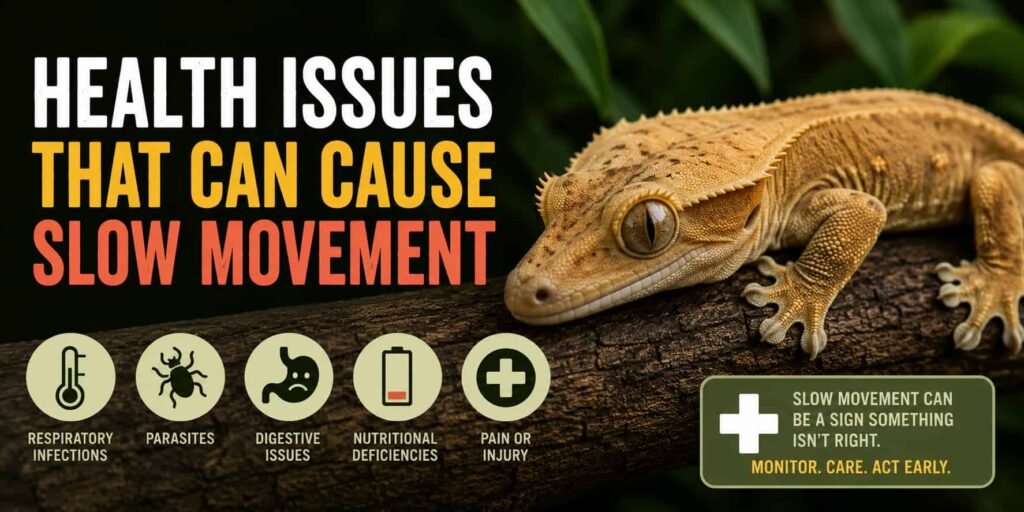
If your crested gecko is moving slowly or appears unusually inactive, the cause may not always be related to its environment. Several common health conditions can lead to lethargy, reduced activity, and changes in normal behavior.
Understanding these conditions can help you recognize potential problems early and take appropriate action to protect your gecko’s health.
Signs of Dehydration
Dehydration is one of the most common reasons a crested gecko may become sluggish or weak. When a gecko does not receive enough water or is kept in an enclosure with low humidity, its overall health can quickly decline.
Fortunately, mild dehydration can often be corrected by improving humidity levels, providing constant access to fresh water, increasing misting frequency, and using supportive hydration methods when necessary.
Normal Shedding and Temporary Lethargy
A healthy adult crested gecko typically goes through a regular shedding cycle, often shedding its skin up to twice per month.
Several days before shedding, the skin may appear dull, pale, or cloudy. During this period, it is normal for a gecko to become less active and show a reduced appetite. Many geckos eat less, hide more frequently, and appear slightly lethargic until the shed is complete.
As long as the shedding process occurs normally, these temporary behavioral changes are generally not a cause for concern.
Metabolic Bone Disease (MBD)
Metabolic Bone Disease (MBD) is one of the most serious and commonly diagnosed illnesses in crested geckos. This condition is primarily caused by a long-term calcium deficiency, often resulting from poor nutrition, inadequate calcium supplementation, or an unbalanced diet.
Without proper treatment, metabolic bone disease can become severe and potentially life-threatening. Providing adequate calcium, a balanced crested gecko diet, and proper nutritional support is essential for prevention.
Dysecdysis and Shedding Problems
Dysecdysis, also known as abnormal or incomplete shedding, can also contribute to sluggish behavior and discomfort in crested geckos.
This condition is commonly linked to environmental issues such as low humidity, poor enclosure conditions, or improper husbandry practices. However, persistent shedding problems may also indicate more serious concerns, including parasites, underlying illnesses, or chronic health issues.
Signs of dysecdysis may include retained skin, repeated shedding difficulties, irritation, and decreased activity. If abnormal shedding continues despite proper habitat conditions, a veterinary evaluation may be necessary to identify the underlying cause.
Monitoring Your Gecko’s Overall Health
Occasional reductions in activity can be normal during shedding or minor environmental changes. However, persistent lethargy, loss of appetite, weight loss, dehydration, or physical abnormalities should never be ignored.
Regularly monitoring your crested gecko’s behavior, body condition, feeding habits, hydration status, and shedding cycles can help you identify health concerns early and ensure your pet remains active, healthy, and thriving.
Read Also: Why Is My Leopard Gecko Not Moving? [Stress Alert]Final Thoughts
A slow-moving crested gecko is not always a sign of a serious problem. In many cases, reduced activity is simply related to adjustment stress, especially after moving to a new home. However, environmental factors such as improper temperature, low humidity, inadequate nutrition, poor hydration, or unsuitable habitat conditions can also contribute to lethargy and behavioral changes.In some situations, sluggish behavior may be linked to underlying health conditions, including dehydration, shedding difficulties, metabolic bone disease (MBD), or other medical concerns. Because these issues can worsen over time, it is important to identify and address the cause as early as possible.
FAQs: Why Is My Crested Gecko Moving in Slow Motion? [Owner’s Guide]
Why does my crested gecko move so slowly?
A crested gecko may move slowly to avoid predators, stay hidden, or blend into its surroundings. This natural behavior helps it feel safe in its environment. However, slow movement, low activity, or sluggish behavior can also be linked to incorrect tank temperature, stress, illness, or other health issues. If your gecko remains unusually inactive for a long time, check its habitat conditions and monitor for signs of disease or discomfort.
What are the signs of stress in a gecko?
Common signs of stress in a gecko include tail waving, vocalizing, biting, aggressive behavior, and attempts to avoid handling. These stress signals often indicate that your gecko feels threatened, uncomfortable, or unhappy with its environment. Monitoring these behavioral changes can help you identify and reduce sources of stress to support your gecko’s overall health and well-being.
What are the early signs of MBD in crested geckos?
Early signs of Metabolic Bone Disease (MBD) in crested geckos include weakness, difficulty climbing, tremors, soft jawbones, reduced grip strength, and sluggish movement. This serious bone disorder is commonly caused by calcium deficiency, an improper calcium-to-phosphorus ratio, or inadequate vitamin D3. Early detection and proper nutrition are essential to protect your gecko’s bone health and overall well-being.
Can geckos recognize people?
Yes, geckos can recognize their owners to a certain extent. Species such as Crested Geckos and Leopard Gecko often use associative learning to identify familiar people. They may recognize your scent, voice, and appearance, especially when these are linked to regular feeding, handling, and positive interactions. While geckos do not form strong emotional bonds like some mammals, they can become familiar with and respond to their caregivers.
What are 5 common warning signs of stress?
Five common warning signs of stress include sleep disturbances, frequent headaches, difficulty concentrating, increased irritability, and noticeable changes in appetite. These physical, emotional, and mental symptoms can indicate rising stress levels and may affect overall health, well-being, and daily performance if left unmanaged.


![Why Does My Snake Pee on Me [Owner Guide]](https://reptilesinfo.com/wp-content/uploads/2026/06/Why-Does-My-Snake-Pee-on-Me-Owner-Guide.jpg)
![Are Ball Pythons Active After Eating [Must Know]](https://reptilesinfo.com/wp-content/uploads/2026/06/Are-Ball-Pythons-Active-After-Eating-Must-Know.jpg)
![Why Is My Crested Gecko Going Crazy [Stress Alert]](https://reptilesinfo.com/wp-content/uploads/2026/06/Why-Is-My-Crested-Gecko-Going-Crazy-Stress-Alert.jpg)
![Why Is My Leopard Gecko Not Moving [Stress Alert]](https://reptilesinfo.com/wp-content/uploads/2026/06/Why-Is-My-Leopard-Gecko-Not-Moving-Stress-Alert.jpg)
![Why Is My Crested Gecko’s Mouth White [Danger Signs]](https://reptilesinfo.com/wp-content/uploads/2026/06/Why-Is-My-Crested-Geckos-Mouth-White-Danger-Signs.jpg)