
![Beardie Food Digestion Explained [Beginner Guide]](https://reptilesinfo.com/wp-content/uploads/2026/05/Beardie-Food-Digestion-Explained-Beginner-Guide.jpg)
A healthy bearded dragon should digest beardie food and pass waste on a fairly regular schedule. After eating, most beardies can digest their food within 24 hours, but for some, the process may take a few days. This depends on their age, diet, body temperature, basking setup, hydration, and overall reptile health.
Regular bathroom habits are an important sign of good digestion. If your beardie is eating well, staying active, basking properly, and passing stool normally, its digestive system is likely working as it should.
However, slow digestion can happen when the enclosure is too cool, the diet is unbalanced, or the dragon is not getting enough UVB light, heat, or water. Older bearded dragons may also digest food more slowly than younger ones.
To support proper digestion, always provide the right basking temperature, a balanced mix of feeder insects, leafy greens, and vegetables, plus clean water. You should also watch for signs of digestive problems, such as lack of appetite, bloating, constipation, runny stool, weight loss, or low energy.
In simple words, bearded dragons usually digest food in 24 hours to a few days, but their digestion depends heavily on proper care, temperature, diet, and enclosure conditions.
Bearded Dragon Digestion Time
Some bearded dragons poop once a day, while others may go only once or twice a week. The most important thing is not the exact timing, but the consistency of your beardie’s normal digestive pattern.
Digestion can also change during brumation and shedding. Brumation is a low-energy rest period, similar to hibernation, that often happens during colder months. During this time, your bearded dragon may eat less, move less, and poop less often.
Shedding can also slow digestion for a short time. Once the shedding process is complete, your beardie’s appetite, energy level, and stool schedule should usually return to normal.
In simple words, bearded dragons usually digest food within 24 hours to a few days, but their digestion depends on age, metabolism, temperature, brumation, shedding, diet, and overall reptile health.
How to Support Healthy Digestion in Bearded Dragons
Proper bearded dragon care plays a big role in keeping your pet’s digestive system healthy. One of the most important steps is giving your beardie the right balanced diet and regular access to fresh water.
A healthy diet should include a good mix of feeder insects, leafy greens, and vegetables. For many young bearded dragons, a diet with more live insects and fewer greens is common, while adult beardies usually need more plant-based foods. The right food balance helps support smooth digestion, steady energy levels, and normal stool movement.
Clean hydration is also important. Even if your bearded dragon does not drink often, fresh water should always be available. You can also offer moisture-rich safe vegetables to help support healthy digestion.
In simple words, your bearded dragon is more likely to digest food properly when it gets the right diet, enough water, proper nutrition, and consistent husbandry care. A well-fed and well-hydrated beardie usually has better gut health, a stronger metabolism, and a more regular bathroom routine.
Read Also Ball Python Baby Chick Diet [Safe or Risky?]Proper Heat and Humidity for Healthy Digestion
Bearded dragons are cold-blooded reptiles, so they depend on their environmental temperature to control their body heat. This process is called thermoregulation. If the enclosure is too cold, your beardie may not digest food properly.
A good temperature gradient is important. The enclosure should have a cooler side around 75°F to 80°F and a warm basking area around 95°F to 105°F. This allows your bearded dragon to move between warm and cool areas whenever it needs to adjust its body temperature.
To keep the setup safe and accurate, use a thermostat and digital thermometers. These tools help you monitor the tank temperature, basking spot, and cool zone every day.
Ideal Humidity Level
Correct humidity also supports healthy digestion, hydration, and overall reptile health. Bearded dragons come from dry areas of Australia, so they need a dry enclosure, not a damp one.
Use a hygrometer to measure the moisture level inside the tank. The humidity should usually stay around 20% to 40%. If the enclosure becomes too humid, it may affect your beardie’s breathing, skin health, and digestive system.
In simple words, your bearded dragon needs the right heat, basking temperature, cool side, humidity level, and enclosure setup to digest food properly and stay healthy.
UVB Lighting and Warm Baths for Better Digestion
Proper UVB light is very important for a bearded dragon’s digestion, calcium absorption, and overall reptile health. UVB rays help the body produce vitamin D3, which allows your beardie to absorb calcium properly. Without enough UVB, your pet may have weak bones, poor digestion, low energy, or other health problems.
Place a good-quality UVB bulb near the basking area so your bearded dragon can get both heat and UVB exposure after eating. Many beardies like to bask after meals because warmth and UVB help their digestive system work better.
Remember to replace the UVB light on time. Most UVB bulbs lose strength after about 6 to 12 months, even if they still look bright. Always follow the bulb manufacturer’s replacement guide.
Warm Water Soaks for Constipation Support
If your bearded dragon has not passed stool for a while, a warm water soak may help support natural bowel movement. Use warm water, not hot water, and make sure the water level reaches only up to your pet’s shoulders.
Let your beardie soak for about 20 to 30 minutes. This can help with hydration, constipation relief, and smoother digestion. However, never leave your bearded dragon alone during a bath, because reptiles can slip, panic, or accidentally inhale water.
In simple words, the right UVB lighting, basking heat, vitamin D3, calcium absorption, and safe warm water soaks can help your bearded dragon digest food properly and stay healthy.
Common Digestive Problems in Bearded Dragons
Bearded dragons can develop several digestive issues, including impaction, parasites, and vitamin deficiencies. These problems can affect their appetite, stool movement, energy level, and overall reptile health. One of the most common and serious problems is impaction.
Bearded Dragon Impaction
Impaction is a blockage in the digestive tract. It is similar to severe constipation. This happens when a bearded dragon eats something it cannot properly digest. The material may become stuck inside the gut and form a hard blockage, making it difficult or impossible for waste to pass normally.
Mild cases may improve with proper hydration, safe warm water soaks, correct basking temperature, and better husbandry care. However, serious impaction can be dangerous and may need help from a reptile veterinarian.
Main Causes of Impaction
One common cause of impaction in bearded dragons is swallowing loose substrate. Materials such as sand, pellets, gravel, or small bedding pieces can be risky if your beardie eats them by accident. This may happen while the dragon is catching feeder insects or eating greens placed directly on the tank floor.
Large or hard-to-digest feeder insects can also cause digestive blockage. Insects that are too big for your bearded dragon may put extra pressure on the gut. Some insects, such as grasshoppers, have tough back legs that may be difficult to digest, so many owners remove them before feeding.
In simple words, impaction happens when your bearded dragon eats something unsafe or too large to pass through the body. To reduce the risk, use a safe enclosure setup, feed properly sized live insects, serve food in a bowl, provide the right heat and UVB lighting, and watch for changes in pooping habits or digestion.
Warning Signs of Bearded Dragon Impaction
Impaction can become serious if it is not noticed early. A bearded dragon with a digestive blockage may struggle to pass stool and may show clear changes in movement, comfort, and behavior.
Common signs of bearded dragon impaction include a visible lump on the stomach or back, which may be caused by stuck material inside the digestive tract. Your beardie may also show regurgitation, meaning it brings food back up after eating.
Another common symptom is straining while trying to poop. If your bearded dragon keeps pushing but cannot pass stool, it may be dealing with constipation or a more serious gut blockage.
In some cases, impaction can affect the nerves and movement of the back legs. You may notice trembling legs, weakness, or your beardie dragging its back legs while walking. These signs should be taken seriously.
In simple words, the main symptoms of impaction in bearded dragons include swollen belly, visible lump, regurgitation, straining to poop, leg tremors, back leg weakness, and abnormal walking. If these signs appear, it is best to contact a reptile veterinarian as soon as possible.
Safe Care for Bearded Dragon Impaction
Mild impaction in bearded dragons may sometimes improve with careful home support, but serious cases need a reptile veterinarian. If the blockage is severe, the vet may need to remove the impacted material, and in rare cases, surgery may be required.
For minor digestive blockage, you can place your beardie in a warm water soak for a short time and gently massage the belly. The massage should be very soft, because too much pressure can hurt your pet. Some owners also give a few drops of olive oil to help support smoother bowel movement, but this should be done carefully.
You may also offer soft, easy-to-digest foods, such as plain warm baby food or unsweetened applesauce. These foods may help the digestive system move more comfortably. Always avoid added sugar, thick foods, or anything hard to digest.
If your bearded dragon has not pooped for more than a week, looks weak, stops eating, has a swollen belly, or drags its back legs, do not wait. Contact a reptile vet as soon as possible.
Read Also Why Does My Crested Gecko Run Away From Me? [Quick Fixes]Parasites and Digestive Problems
Parasites are another common cause of digestive issues in bearded dragons. They can affect your pet’s gut health, appetite, stool quality, weight, and energy level.
Unlike mild impaction, parasites in bearded dragons cannot be treated properly at home. If you think your beardie has internal parasites, worms, abnormal stool, weight loss, or ongoing diarrhea, take it to a reptile veterinarian for testing and proper treatment.
In simple words, mild impaction may improve with warm soaks, gentle belly massage, hydration, and soft foods, but serious constipation, blockage, or parasite infection needs professional vet care.
How Bearded Dragons Get Parasites
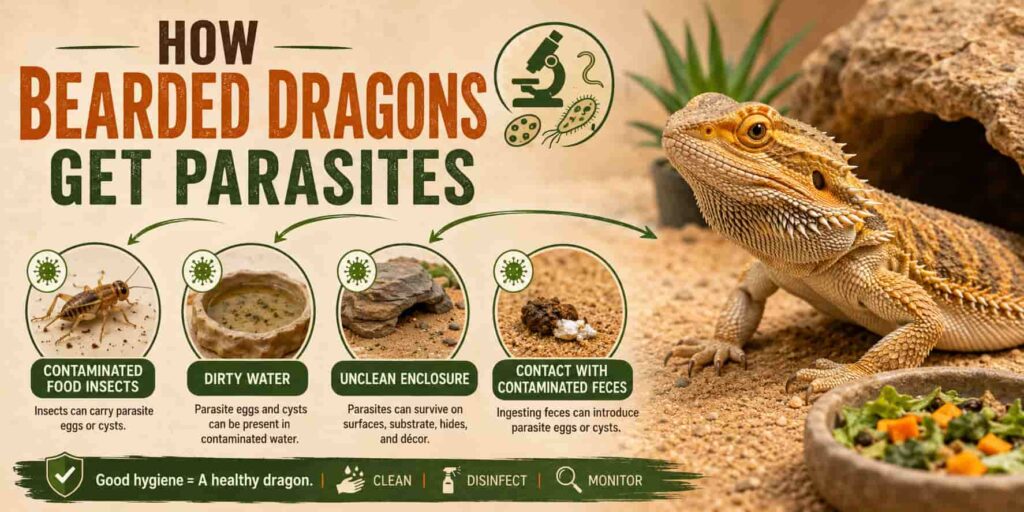
Bearded dragons can get parasites in several ways. One common risk is spending time outdoors, where they may come into contact with contaminated soil, insects, or other animals. They can also catch parasites if they live with another beardie that is already infected.
Some external parasites, such as mites and ticks, can often be seen on the skin. These parasites may hide around the eyes, ears, scales, and skin folds.
Internal parasites, such as pinworms, live inside the digestive tract. In many cases, these parasites can come from infected feeder insects and may enter your bearded dragon’s body through its diet.
Signs of Parasites in Bearded Dragons
Parasites in bearded dragons do not always cause obvious symptoms at first. However, some beardies may show changes in their stool, behavior, weight, or energy level.
Common signs of a parasitic infection include diarrhea, unusual or smelly stool, lethargy, reduced activity, weight loss, poor appetite, and visible mites or ticks on the skin.
In simple words, parasites can come from the outdoors, infected feeder insects, contaminated environments, or another infected bearded dragon. If your beardie has ongoing diarrhea, low energy, weight loss, or visible bugs on its body, it is best to contact a reptile veterinarian for proper testing and treatment.
Parasite Treatment and Nutritional Health in Bearded Dragons
Regular stool testing is one of the best ways to protect your bearded dragon from hidden parasites. Many parasites do not show clear symptoms at first, so it is a good idea to have your beardie’s stool checked by a reptile veterinarian once or twice a year.
If your bearded dragon has a parasitic infection, the vet will usually prescribe the right medication based on the test results. Parasites should not be treated at home without proper guidance, because the wrong treatment can harm your pet.
After treatment, it is also important to clean the entire enclosure carefully. Remove waste, disinfect the cage, clean food bowls, replace dirty substrate, and keep the tank conditions healthy. Good hygiene, proper temperature, correct humidity, and safe husbandry care help reduce the chance of parasites returning.
Vitamin Deficiencies and Digestive Health
A bearded dragon needs the right nutrients to stay active, grow well, digest food properly, and maintain strong bones. If your beardie does not get enough vitamins, minerals, calcium, or UVB light, it may develop serious health problems.
One common condition linked to poor nutrition is metabolic bone disease. This illness often happens when a bearded dragon does not get enough calcium, vitamin D3, or proper UVB exposure. Other vitamin deficiencies can also affect your pet’s digestive system, appetite, energy level, and overall reptile health.
In simple words, regular fecal exams, vet-approved parasite treatment, clean enclosure maintenance, and proper nutrition are important for keeping your bearded dragon healthy. A good diet, correct supplements, and proper UVB lighting can help prevent parasites, vitamin deficiencies, poor digestion, and serious health issues.
Causes of Vitamin Deficiencies in Bearded Dragons
Vitamin deficiencies in bearded dragons usually happen when their diet, UVB lighting, or supplement routine is not correct. Beardies need important nutrients such as vitamin A, vitamin B1, vititamin C, vitamin D3, vitamin E, and vitamin K to support healthy growth, digestion, bone strength, skin health, and overall reptile health.
Most vitamins come from a balanced bearded dragon diet, including safe leafy greens, vegetables, properly fed feeder insects, and the right supplements. Vitamin D3 is especially important because it helps the body absorb calcium, and it is produced when your beardie receives proper UVB exposure.
One serious condition linked to poor nutrition is metabolic bone disease. This often happens when the diet contains too much phosphorus and not enough calcium, vitamin D3, or UVB light. Without the right balance, your bearded dragon may develop weak bones, poor movement, low energy, and digestive problems.
Read Also How Long Can a Turtle Live Without UVB? [Warning]Signs of Vitamin Deficiency
A vitamin deficiency can show in different ways depending on which nutrient is missing. Low vitamin A may cause faded skin color or poor skin condition. A lack of vitamin B may lead to muscle spasms, twitching, or poor nerve function.
Low vitamin C can cause bruising, bleeding gums, diarrhea, and weak healing. A lack of vitamin E may lead to swollen lumps or nodules under the skin.
Treating Vitamin Deficiencies in Bearded Dragons
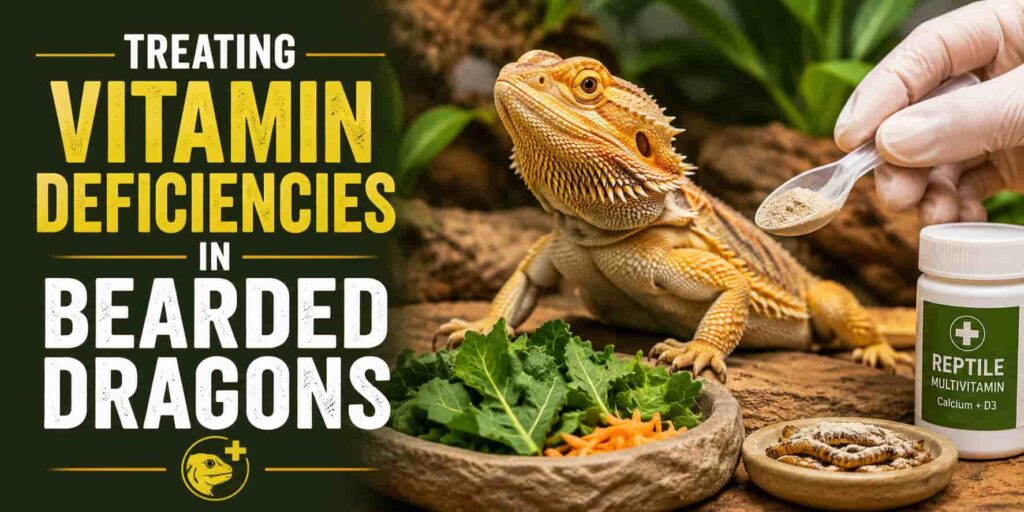
A reptile veterinarian can check whether your bearded dragon has a vitamin deficiency, calcium deficiency, or metabolic bone disease. The vet may suggest tests to understand your beardie’s nutrition level, bone health, and overall reptile health.
In many mild cases, the problem can improve with the right diet changes and safe vitamin supplements. Your beardie may need more balanced leafy greens, healthy vegetables, gut-loaded feeder insects, calcium powder, or proper vitamin D3 support.
However, metabolic bone disease can be more serious. It may need proper UVB lighting, correct basking temperature, better husbandry care, and sometimes vet-prescribed medication. Early treatment is important because weak bones, twitching, poor movement, and low energy can become worse if ignored.
Final Thoughts on Bearded Dragon Digestion
Bearded dragons usually take around 24 hours to a few days to digest food. Their digestion depends on age, metabolism, diet, hydration, temperature, UVB exposure, and overall enclosure conditions.You can support healthy digestion by giving your beardie a balanced reptile diet, clean water, proper basking heat, safe humidity levels, strong UVB light, and regular vet checkups. Watch for warning signs such as constipation, diarrhea, weight loss, lethargy, impaction, parasites, or signs of vitamin deficiency.In simple words, good bearded dragon care means feeding the right foods, keeping the tank conditions correct, and checking your pet’s health regularly. This helps your beardie digest food properly, stay active, and live a healthier life.ing a balanced diet and fresh water, ensuring temperatures and humidity are at recommended levels, providing access to UVB rays, and giving your pet soaks in warm water.
FAQs: Beardie Food Digestion Explained [Beginner Guide]
How should beginners feed a bearded dragon?
A beginner should feed a bearded dragon based on its age, diet needs, and growth stage. Baby bearded dragons need more live food, such as safe feeder insects, along with finely chopped leafy greens and vegetables. A good starting balance is about 65% insects and 35% greens. Feed baby dragons twice a day, while juvenile and adult bearded dragons usually need food once a day. As they grow, slowly add more plant-based foods, fresh greens, and clean water to support healthy digestion, nutrition, and overall reptile care
What is the digestive system of a bearded dragon?
The digestive system of a bearded dragon includes the esophagus, stomach, duodenal bulb, short small intestine, cecum, and colon. These gastrointestinal organs help move food through the body, break it down, absorb nutrients, and remove waste. Most of the digestive tract is located in the middle body area, behind the heart, where it supports normal digestion, gut health, and overall reptile nutrition..
What should you not feed a beardie?
You should not feed a bearded dragon unsafe foods such as onions, chives, garlic, mushrooms, rhubarb, avocado, and eggplant. These foods can upset your beardie’s digestive system or may be toxic. Also, avoid giving too many foods high in phosphorus or oxalates, because they can reduce calcium absorption and affect important vitamins, minerals, bone health, and overall reptile nutrition.
Do beardies recognize their owners?
Yes, bearded dragons can recognize their owners over time. They often learn through daily feeding routines, familiar smells, gentle handling, and the sound of a person’s voice. A beardie may become comfortable with its owner, show trust through calm body language, and respond with behaviors like waving, head bobbing, or relaxing during cuddling. This shows that bearded dragons can build a simple bond with humans through regular care and positive experiences. another in acknowledgment.
Do bearded dragons need heat to digest their food?
Yes, bearded dragons need proper heat to digest their food safely. As reptiles, they depend on external temperature because they cannot produce enough body heat on their own. A warm basking area helps them break down food, absorb nutrients, support their immune system, and stay healthy. Without the right overhead heat source, similar to natural sunlight, a beardie may suffer from poor digestion, weakness, illness, or serious health problems.


![Why Does My Snake Pee on Me [Owner Guide]](https://reptilesinfo.com/wp-content/uploads/2026/06/Why-Does-My-Snake-Pee-on-Me-Owner-Guide.jpg)
![Are Ball Pythons Active After Eating [Must Know]](https://reptilesinfo.com/wp-content/uploads/2026/06/Are-Ball-Pythons-Active-After-Eating-Must-Know.jpg)
![Why Is My Crested Gecko Going Crazy [Stress Alert]](https://reptilesinfo.com/wp-content/uploads/2026/06/Why-Is-My-Crested-Gecko-Going-Crazy-Stress-Alert.jpg)
![Why Is My Leopard Gecko Not Moving [Stress Alert]](https://reptilesinfo.com/wp-content/uploads/2026/06/Why-Is-My-Leopard-Gecko-Not-Moving-Stress-Alert.jpg)
![Why Is My Crested Gecko’s Mouth White [Danger Signs]](https://reptilesinfo.com/wp-content/uploads/2026/06/Why-Is-My-Crested-Geckos-Mouth-White-Danger-Signs.jpg)