
![Do Bearded Dragons Miss Their Owners [Real Signs]](https://reptilesinfo.com/wp-content/uploads/2026/05/Do-Bearded-Dragons-Miss-Their-Owners-Real-Signs.jpg)
Many people think lizards, reptiles, and bearded dragons are cold, distant, or unable to show affection. However, bearded dragon behavior is more interesting than that. While they may not feel emotions in the same deep way humans do, they can still build a form of recognition, trust, and positive association with their owners.
So, do bearded dragons miss their owners? Not exactly. A bearded dragon does not usually feel “missing someone” the way a person or a dog might. However, it can recognize its owner and may feel calm, safe, or excited when that person appears. This happens because the owner is linked with food, handling, care, comfort, and a familiar daily routine.
In simple words, your pet bearded dragon may not feel lonely for you in a human way, but it can still respond happily when it sees you. Signs such as coming closer, staying relaxed, watching you, accepting handling, or showing calm body language may suggest bonding, trust, and owner recognition.
To understand your dragon better, observe its body language, social behavior, stress signs, feeding response, and comfort level during handling. With patience, gentle interaction, and consistent care, you can create a strong and healthy human-reptile bond with your bearded dragon.
Can Bearded Dragons Feel Emotions?
Yes, bearded dragons can have basic feelings and show simple emotional responses. They do not experience emotions in the same deep way as dogs, cats, or humans, but they can still become comfortable with their owners and form a type of bond.
A bearded dragon may show trust, recognition, and even signs of affection through calm behavior, relaxed body language, and willingness to be handled. However, every bearded dragon has its own personality, so each one may express comfort, stress, or attachment in a different way. Some may enjoy attention, while others may prefer more space.
What Studies Suggest About Bearded Dragon Bonding
Recent research suggests that bearded dragons may have more advanced social behavior and learning ability than many people once believed. One study from the University of Lincoln in the United Kingdom looked at how bearded dragons interact, observe, and learn from one another.
The study found that bearded dragons can copy behavior and learn by watching other dragons. This type of social learning, also called observational learning, shows that they are not just simple, instinct-driven reptiles. It suggests they may have a higher level of cognitive ability, emotional development, and social awareness than previously thought.
Because they can learn from others, bearded dragons may also be able to form simple bonds. These bonds may not look the same as the strong emotional attachment seen in dogs or cats, but they can still show trust, recognition, comfort, and familiarity with humans or other bearded dragons. Their bonding behavior depends on their personality, handling, environment, and daily care..
Common Feelings and Behaviors in Bearded Dragons
Bearded dragons can show many emotion-like behaviors, from positive reactions such as comfort, curiosity, and pleasure to negative responses like stress, fear, anger, and boredom. These feelings may not be as complex as human emotions, but they can still affect a bearded dragon’s mood, body language, behavior, and daily activity.
Read Also Beardie Brumation With Open Eyes? [Warning Signs]Stress and Discomfort
Stress is common in bearded dragons. It may happen when they feel unsafe, hungry, bored, or threatened. Sometimes, they may even become stressed after seeing their own reflection in the glass because they may think another dragon is nearby.
Hunger
Hunger is one of the easiest needs to understand. A bearded dragon may become more alert, active, or restless when it wants food. With a proper feeding schedule, balanced diet, and good care, hunger should not become a major problem.
Boredom
Boredom is more common than many people realize. Bearded dragons do not only sit inside their terrarium all day. They need mental stimulation, safe exploration, new textures, climbing areas, and sometimes different healthy foods to keep them active and interested.
Anger or Irritation
A bearded dragon may show anger, irritation, or defensive behavior when it feels disturbed. This can happen during mating season, after too much handling, or when something changes in its environment, such as a new object inside the enclosure.
Fear
Fear often looks similar to stress. A bearded dragon may feel afraid when handled by a new person, placed in an unfamiliar area, or exposed to sudden changes around its habitat. Loud noises, fast movements, or new surroundings can also make it feel unsafe.
Curiosity
Curiosity is a healthy and natural behavior. Bearded dragons often enjoy exploring, watching movement, and trying new safe foods. With supervision, they can safely spend time outside the terrarium, explore a clean room, or even go for a controlled outdoor walk.
Comfort and Trust
Comfort is a good sign that your bearded dragon feels safe with you. If it stays calm while being handled, rests near you, or allows gentle interaction, it may be showing trust, recognition, and familiarity.
Pleasure and Enjoyment
Bearded dragons may also show signs of pleasure or enjoyment. For example, if your bearded dragon stays relaxed while being gently petted, closes its eyes, or remains calm during interaction, it may be enjoying the attention and feeling secure with its owner.
Understanding What Your Bearded Dragon’s Actions Mean
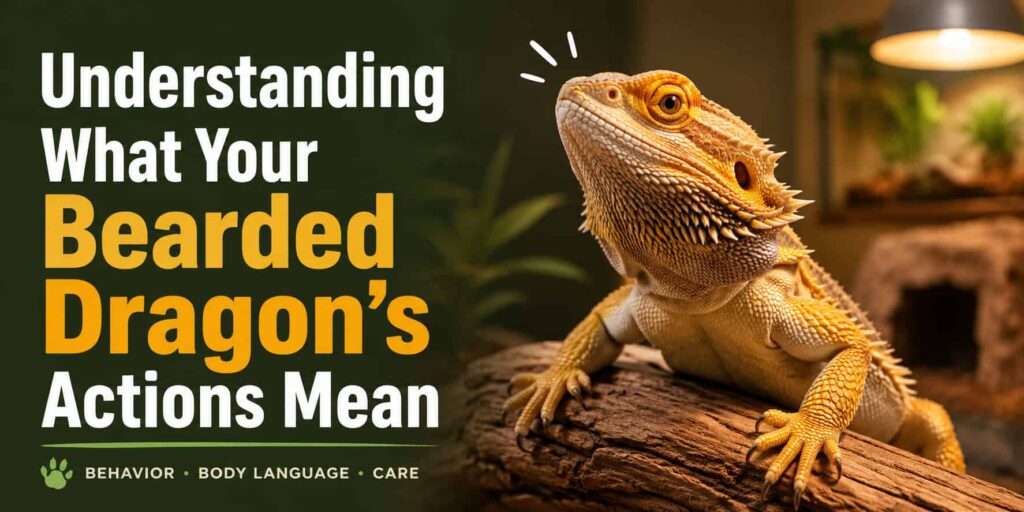
After learning about the possible feelings and emotion-like behaviors of a bearded dragon, the next step is to understand what its daily actions may be telling you. A bearded dragon cannot speak, so it uses body language, movement, posture, color changes, and behavior patterns to show how it feels.
By watching your pet closely, you can often tell whether it is feeling comfortable, curious, stressed, afraid, bored, or irritated. Paying attention to these signs helps you respond properly and create a safer, calmer, and healthier environment for your reptile. Over time, understanding your bearded dragon’s behavior can also help build trust, improve handling, and strengthen the bond between you and your pet..
Hissing and Short Lunges
When a bearded dragon starts hissing and making quick forward jumps, it is usually showing defensive behavior. This often means your pet feels threatened, stressed, angry, or unsafe in its surroundings.
These actions are warning signs that your bearded dragon may be ready to bite, especially if you try to touch or pick it up at that moment. Instead of handling it, give your reptile some space, reduce any loud noise or sudden movement, and let it calm down naturally.
In most cases, this behavior happens when a bearded dragon feels scared, irritated, overhandled, or disturbed by something in its environment. Paying attention to its body language, mood, and stress signals can help you avoid bites and keep your pet feeling safe.
Fast Head Movement or Repeated Head Bobbing
Rapid head bobbing or unusual head weaving can be a sign that your bearded dragon is feeling strong stress, fear, or discomfort. This behavior often means your pet feels unsafe, threatened, or disturbed by something in its environment.
The best response is to give your bearded dragon space and avoid handling it until it becomes calm. Check the terrarium, lighting, temperature, noise, nearby movement, reflections, or any new object that may be causing fear. Removing the stress trigger can help your reptile feel safer.
If your bearded dragon shows this fearful behavior often and you cannot find a clear reason, it is best to contact a reptile veterinarian. Ongoing stress signals, nervous body language, or sudden behavior changes may sometimes point to an underlying health issue that needs proper care.
Read Also Bearded Dragon Bath Poop Habit [Quick Fix]Bearded Dragon Hissing: A Clear Warning Sign
Bearded dragon hissing is a strong sign that your pet feels angry, threatened, stressed, or defensive. Bearded dragons do not usually make sounds, so when they start vocalizing through hissing, it often means they are uncomfortable and want space.
If you notice this aggressive behavior, do not touch or handle your bearded dragon immediately. Keep a safe distance, stay calm, and look for possible environmental stressors such as loud noise, sudden movement, another pet, poor enclosure setup, or unwanted handling.
Hissing is part of normal reptile behavior, but repeated hissing may show ongoing fear, territorial behavior, or stress-related discomfort. Give your bearded dragon time to calm down and make sure its habitat feels safe, quiet, and secure.
Flattened Body and Puffed Beard: A Fear Response
A flattened body and puffed-out beard usually mean your bearded dragon feels scared, threatened, or unsafe. This is a common defensive behavior in reptiles when they are trying to look bigger and protect themselves.
If your bearded dragon is outside its terrarium and allows gentle handling, calmly place it back into its safe enclosure. If it does not want to be touched, do not force contact. Give it space, reduce any stressors, and let it calm down naturally.
Once your bearded dragon feels secure again, its body posture, beard display, and stress behavior should return to normal.
Relaxed Stillness and Closed Eyes: A Sign of Trust
A calm, still posture with closed eyes usually shows that your bearded dragon feels comfortable, safe, and relaxed. This behavior is often seen during gentle handling, especially when your pet has built a strong bond with you.
When a bearded dragon closes its eyes while resting in your hands, it may be showing trust, contentment, and a sense of security. However, always handle it gently and watch its full body language to make sure it is truly calm and not feeling stressed or overwhelmed.
This quiet behavior is usually a positive part of bearded dragon behavior and may show that your pet feels peaceful around you.
Moving the Head Toward You: A Request for Attention
When your bearded dragon reaches its head toward you, it may be asking for attention, gentle interaction, or social contact. This behavior can show that your pet feels comfortable, curious, and possibly wants to be touched or handled.
You can respond by gently petting your bearded dragon and allowing it to sit near you or on your lap if it chooses. However, never force your pet to stay in your lap or accept handling. Forced contact can lead to stress, fear, defensive behavior, or even aggression.
Always respect your bearded dragon’s body language and let it decide how much interaction it wants. This helps build trust, bonding, and a safer owner-pet relationship.
Building Trust With Your Bearded Dragon
Bonding with your bearded dragon is helpful for both you and your pet. When you spend calm, gentle time together, your bearded dragon can become more comfortable, relaxed, and trusting around you.
A strong owner-pet bond also helps you understand your bearded dragon’s body language, behavior patterns, emotions, and stress signals more clearly. Over time, you may notice what makes your pet feel safe, happy, curious, or uncomfortable.
The best way to build trust is through patience, gentle handling, quiet interaction, and respecting your bearded dragon’s mood. Never force contact, because this can cause fear, stress, or defensive behavior.
Safe Ways to Build a Bond With Your Bearded Dragon
A strong bond with your bearded dragon develops through patience, gentle handling, and positive daily experiences. The goal is to help your pet connect you with safety, food, comfort, and trust, without making it feel forced or stressed.
Use Food to Build Trust
Food-based bonding is one of the easiest ways to help your bearded dragon feel comfortable around you. Many bearded dragons learn to recognize their owner as a food source, which can make them feel more excited, calm, and secure when they see you.
You can offer food by hand to create a positive owner-pet connection. During the first few weeks after adoption, hand-feeding can be especially helpful because it teaches your bearded dragon that your presence is safe. You may also let it sit on your lap while eating, but only if it feels relaxed and willingly stays there.
Read Also Bearded Dragon Outdoor Rage [Calm Him Fast]Let Your Bearded Dragon Explore Safely
Allowing your bearded dragon to spend supervised time outside its terrarium can also support bonding, confidence, and mental stimulation. Make sure the area is safe, quiet, and free from other pets.
You can let your bearded dragon explore, play with a safe toy, or look at a mirror if it seems interested. Never leave it alone outside the enclosure, because reptiles can hide, fall, or get injured quickly.
Some owners also use a proper lizard leash for short outdoor walks. If you take your bearded dragon outside, do not let it eat wild insects, as they may carry parasites, bacteria, or harmful chemicals.
Try Safe Swimming Sessions
Some bearded dragons enjoy gentle swimming, but it must be done carefully. Use a large plastic tub that is around three to four times longer than your pet. Fill it with warm water only up to the height of its elbows.
The water should be around 85°F to 92°F so your bearded dragon stays comfortable. Always supervise the swim, keep the session short, and dry your pet properly before placing it back into its terrarium.
When done safely, swimming can provide exercise, enrichment, and another calm way to build trust with your bearded dragon..
Final Thoughts: Understanding Your Bearded Dragon’s Emotions
Understanding your bearded dragon’s emotions and behavior signals can help you build a stronger bond with your pet. When you learn how your bearded dragon shows comfort, fear, stress, trust, curiosity, or defensive behavior, you can respond in a safer and more caring way.A strong owner-pet relationship makes it easier to understand what your bearded dragon is trying to communicate through its body language, posture, beard display, eye movements, and daily behavior patterns. This can help you provide better care, reduce unnecessary stress, and create a more comfortable environment.By paying attention to your bearded dragon’s needs, you can support its health, emotional well-being, and overall quality of life while developing a calm and trusting connection.
FAQs: Do Bearded Dragons Miss Their Owners? [Real Signs]
Does my bearded dragon miss me?
Yes, your bearded dragon may not miss you in the same emotional way as a dog or cat, but it can still recognize you and build a bond with you. Signs of trust and affection include staying calm during handling, resting quietly on your lap, or feeling comfortable when you are nearby.
How do bearded dragons feel about their owners?
Bearded dragons may not feel love like humans, dogs, or cats, but they can recognize their owners and develop trust over time. When they feel safe, they may stay calm during handling, relax on your hand or lap, and show comfortable bonding behavior around you.
Can a bearded dragon get lonely?
Bearded dragons usually do not get lonely because they are mostly solitary reptiles in the wild. They do not need another lizard companion to stay healthy, but they still benefit from mental stimulation, a safe habitat, gentle handling, and regular owner interaction to feel comfortable and active.
How painful is a bearded dragon bite?
A baby bearded dragon bite usually feels like a small pinch and does not hurt much. However, an adult bearded dragon has stronger teeth and jaw pressure, so its bite can be painful, may puncture the skin, and should be cleaned properly to avoid infection.
Can lizards hear you talk to them?
Yes, most lizards can hear sounds, including your voice, but they may not understand words the way humans do. Many lizards hear best within certain sound frequencies and use ear structures like the tympanum, tympanic cavity, and eustachian tube to detect vibrations, movement, and nearby noise.


![Why Does My Snake Pee on Me [Owner Guide]](https://reptilesinfo.com/wp-content/uploads/2026/06/Why-Does-My-Snake-Pee-on-Me-Owner-Guide.jpg)
![Are Ball Pythons Active After Eating [Must Know]](https://reptilesinfo.com/wp-content/uploads/2026/06/Are-Ball-Pythons-Active-After-Eating-Must-Know.jpg)
![Why Is My Crested Gecko Going Crazy [Stress Alert]](https://reptilesinfo.com/wp-content/uploads/2026/06/Why-Is-My-Crested-Gecko-Going-Crazy-Stress-Alert.jpg)
![Why Is My Leopard Gecko Not Moving [Stress Alert]](https://reptilesinfo.com/wp-content/uploads/2026/06/Why-Is-My-Leopard-Gecko-Not-Moving-Stress-Alert.jpg)
![Why Is My Crested Gecko’s Mouth White [Danger Signs]](https://reptilesinfo.com/wp-content/uploads/2026/06/Why-Is-My-Crested-Geckos-Mouth-White-Danger-Signs.jpg)